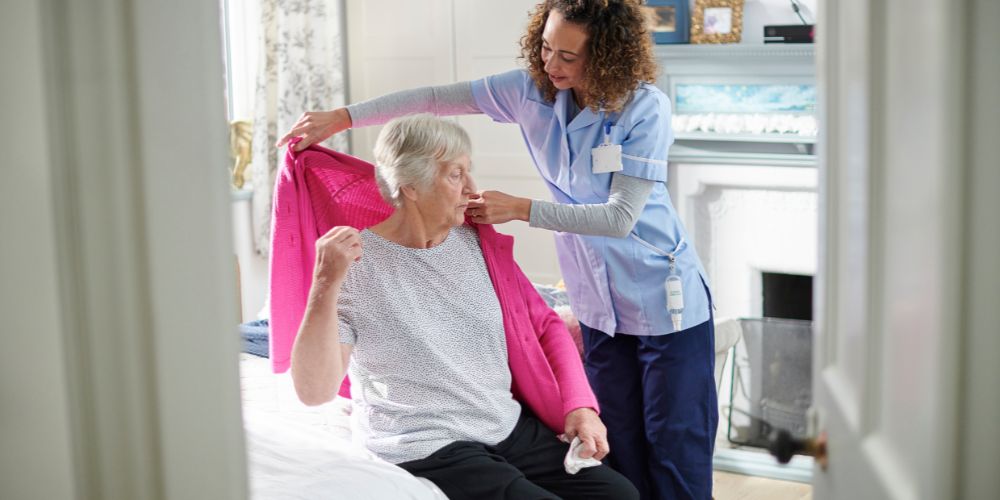
Finding safe and compassionate support for an older parent or loved one can feel challenging. Care homes may seem like the only option, yet many people would prefer to stay in familiar surroundings. In-home care provides that choice — it brings trained carers directly to your doorstep so daily life can continue comfortably and independently.
What Is In-Home Care?
In home care services send qualified carers to a person’s own home to provide practical and emotional support. The aim is to make daily living easier while helping clients remain independent. Visits can last from 30 minutes to several hours — or even include live in home care, where a carer stays full-time. An at home care agency coordinates rotas, ensures training and checks, and manages all employment paperwork. Families benefit from consistent care and peace of mind.
How Does In-Home Care Work Day to Day?
A care manager visits first to understand what one needs to know about their health, their likes, routines, and the home structure. A personalised care plan is created together with the client and family, which includes a list of tasks and their favorite time of the day. Carers then follow that plan. Typical help includes:
- Washing, dressing, and grooming
- Preparing meals and drinks
- Prompting or administering medicines (if qualified to do so)
- Light housework and laundry
- Taking walks or driving to appointments
- Friendly conversation and monitoring changes in mood or wellbeing
Digital systems let teams record notes on a phone app, so families can read updates in real time. Good providers review the plan every few weeks and adjust when needs change. At Proper Home Care, we use secure digital notes, so family members can view updates in real time.
Home Care Services vs Care Homes
One of the most common questions families ask is how home care services differ from traditional care homes. Care homes offer shared living with staff on site, fixed meal times and group activities. That structure suits some, but can feel restrictive to others. Home care at home allows more freedom — bedtime routines stay the same, pets remain nearby, and the garden is still your own.
Costs also vary. Care homes charge a weekly fee that covers accommodation, meals and care. An in home care service usually charges hourly, so lighter support can be more affordable. Live in home care often costs a similar amount to a good residential home, but provides one-to-one support in the comfort of home. Moving into a care home may also mean selling or renting property, which some families prefer to avoid.
Key Benefits of In-Home Care for Families
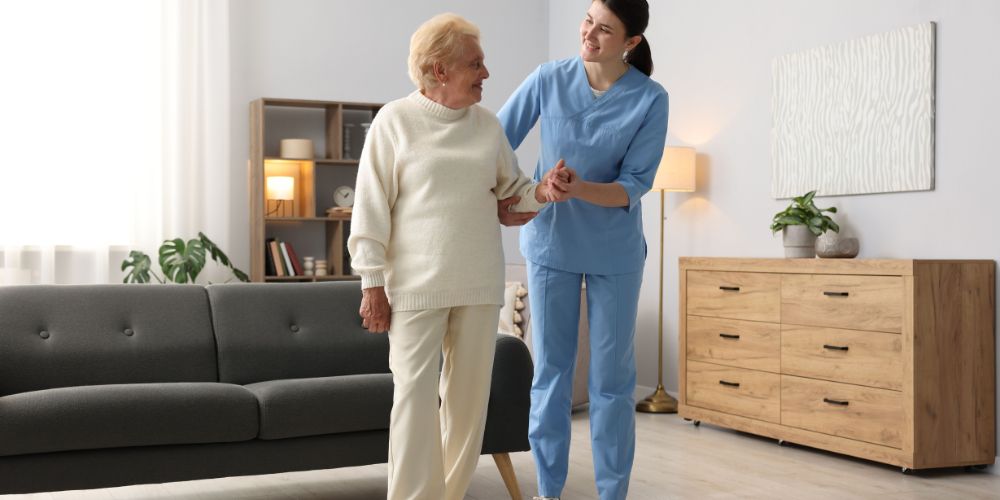
There are many benefits for clients and families, these include:
- Familiarity and ease – Sleeping in your own bed, your own kettle, and being well-versed with all the creaks of the staircase makes life worry-free, particularly amongst the memory-impaired.
- Independence – Carers will do what they can be useful in, but will take a back step when there is still something to do independently. This equilibrium maintains muscle power and self-confidence.
- Personalised care plan: Every plan is unique. If Dad enjoys bacon at 7 a.m., it stays that way.
- Friendship – Frequently having company combats loneliness, and possibly cheers.
- Peace of Mind – Families are able to work or sleep knowing that someone trustworthy will come or remain.
- Flexible cost – Pay only for hours used. Scale up or down as health changes.
Types of In-Home Care Services
There are many types of in-home care services, like:
- Hourly visiting care – Short calls for meals, medication, or washing. Suitable for mild mobility issues.
- Extended daytime care – A carer stays several hours for those needing closer watch and help with complex meals or exercises.
- Overnight care – A carer sleeps in the home and wakes if help is required, helping improve night-time safety in home care.
- Live in home care – One carer lives full-time, with set breaks. Best for advanced needs but still wanting home life.
- Specialist support – Trained staff for dementia, Parkinson’s, stroke recovery, diabetes, or palliative care.
Preparing the Home for Care
Small changes can keep everyone safe:
- Fit grab rails in the bathroom and near steps.
- Remove loose rugs and repair uneven paths.
- Place frequently used items at waist height.
- Keep a list of emergency contacts by the phone and on the fridge.
- Install a key-safe so carers can enter if the client is unable to reach the door.
- An agency will advise on equipment such as hoists or slide sheets if moving assistance is needed.
Funding and Cost Tips for In-Home Care
Local councils may help if the person’s savings fall below set limits. A financial assessment will confirm this. Attendance Allowance and Personal Independence Payment are benefits that can offset charges. Some families use equity release, a direct payment, or private insurance. Always check contract terms such as notice periods, mileage fees, and bank holiday rates.
When In-Home Care May Not Be Enough
Sometimes needs reach a level where two carers are required at all times, or the house cannot be made safe even with equipment. Advanced dementia may cause night-time wandering that even live-in staff cannot safely manage. In these cases, a care home could be the wiser step. Regular reviews with health professionals help prevent sudden changes.
Choosing an At Home Care Agency
Here’s a checklist to choose the right at home care agency:
- Check credentials – In England, agencies must register with the Care Quality Commission (CQC). Read inspection reports.
- Ask about training – Good firms invest in skills such as moving and handling, dementia awareness, and first aid
- Look for a match – Personality counts. Meeting a proposed carer before the first shift can ease worries.
- Consider continuity – Fewer different faces build trust.
- Check communication – Daily notes, phone support, and a clear complaint path protect everyone.
- Compare fees – Ask for a list of hourly rates, weekend surcharges, and live-in package costs.
Proper Home Care Limited: Trusted Support Close to Home
Proper Home Care Limited is a local at home care agency rated “Good” by the CQC. Small, dedicated teams deliver visiting and live-in packages across the county.
Every carer undergoes background checks, has continued training and operates under a plan that you and your family have agreed on. Give us a call and we will provide you with a free home assessment and give you clear advice on the most optimal combination of hours, tasks, and budget.