Falls are one of the most serious and preventable risks facing older adults today. A simple trip on a loose rug or a slip on a wet floor can lead to a broken bone, a hospital stay, and in some cases, a lasting change in independence. At Proper Home Care, we see firsthand how a single fall can affect not just the person involved but the entire family around them.
According to the National Institute on Aging (NIA), falls are a major cause of fractures, hospital admissions, and loss of independence in older adults. Understanding why falls happen is the first step toward keeping loved ones safe at home. If you are concerned about an elderly parent who keeps falling, this guide explains the most common causes of falls, practical prevention strategies, and when professional home care support may help.
How Common Are Falls in the Elderly?
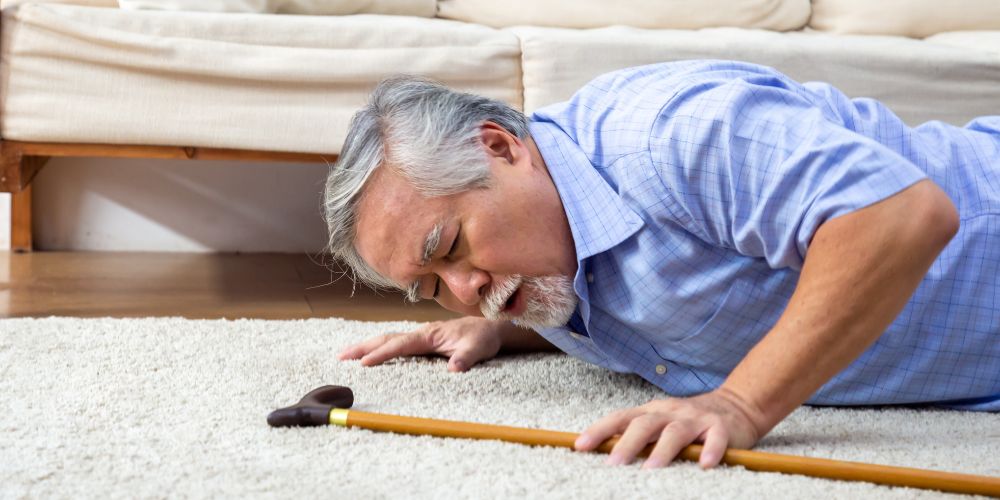
Falls in elderly adults are far more common than most people realise. More than one in four people aged 65 and over experience a fall each year, and the risk increases with age. Falls are one of the leading reasons older adults visit A&E, and fall-related fractures — particularly hip fractures can trigger a cascade of serious health complications.
The important thing to understand is this: most falls are not simply accidents. They are the result of identifiable, addressable risk factors. That means they can be anticipated, and in many cases, prevented.
What Causes Falls in Older Adults?
There is rarely a single reason why an elderly person falls. In most cases, it is a combination of physical, medical, and environmental factors. Understanding these risk factors is the first step toward meaningful fall prevention in the elderly.
1. Age-Related Muscle Loss (Sarcopenia)
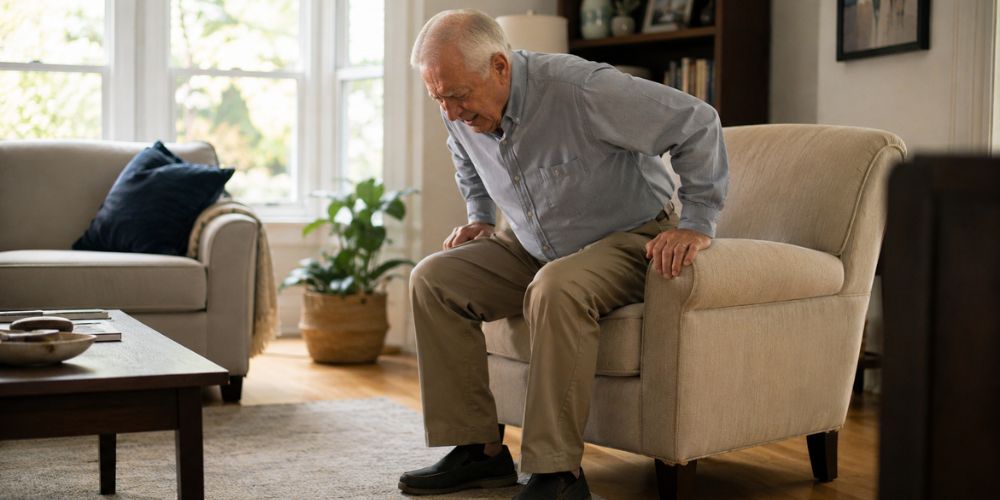
One of the most significant causes of falls in old age is sarcopenia — the gradual loss of muscle mass, strength, and function that occurs as we get older. It leads to weakness, fatigue, and difficulty with everyday movements like standing from a chair, walking steadily, or climbing stairs. Poor nutrition and inactivity speed up its progression.
If your elderly parent seems to be getting weaker or is struggling with tasks they previously managed easily, it is worth speaking to their GP, as sarcopenia is treatable with the right exercise and nutritional support.
2. Balance and Gait Problems
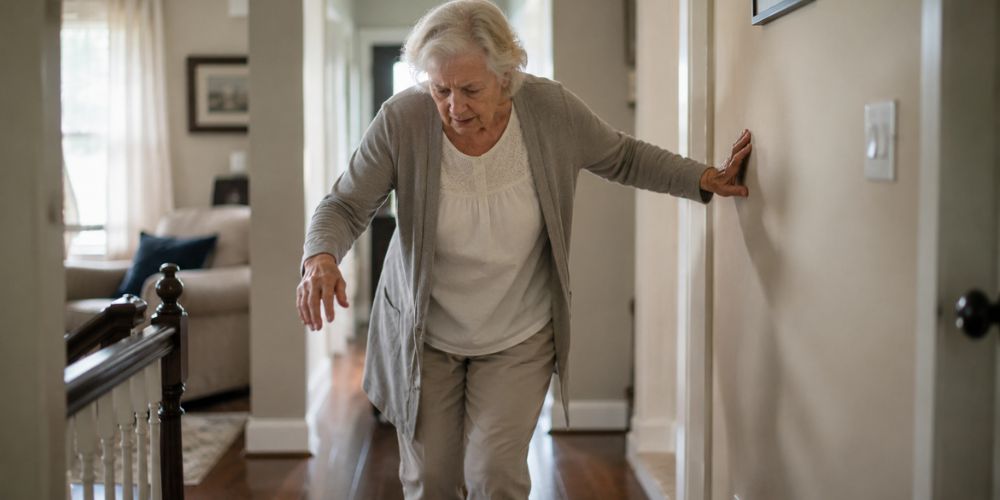
Changes in balance and walking pattern (gait) are a natural part of ageing, but they significantly increase fall risk in elderly people. Postural hypotension — a sudden drop in blood pressure when standing up from a lying or seated position — can cause dizziness and unsteadiness, particularly first thing in the morning or after a meal.
3. Vision and Hearing Changes
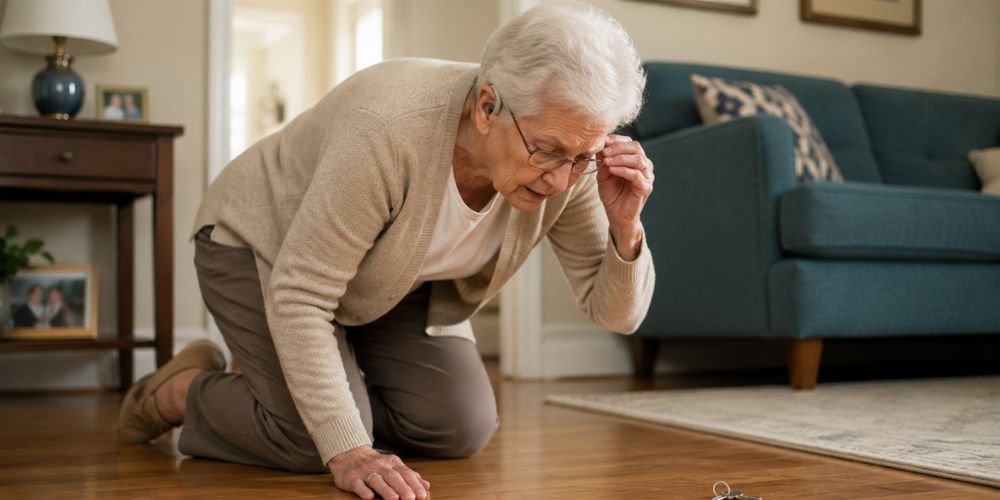
Even small declines in eyesight can affect depth perception and the ability to spot hazards underfoot. Hearing loss can affect spatial awareness and balance. Regular eye and hearing tests are a simple but often overlooked part of elderly fall prevention strategies.
4. Medications
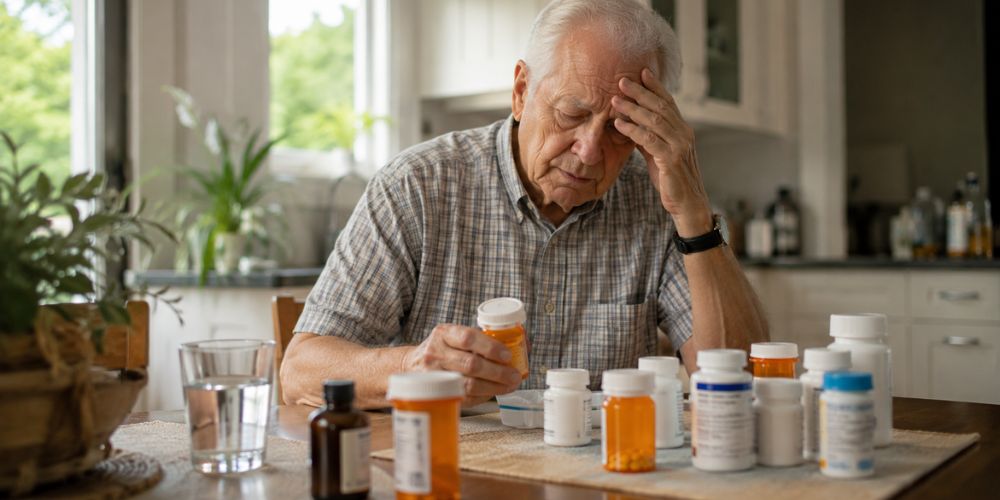
This is one of the most common yet underappreciated fall risk factors in elderly people. Certain medications — including sedatives, blood pressure drugs, antidepressants, and diuretics — can cause dizziness, confusion, or drowsiness. The more medications a person takes, the higher the risk of falling. Always speak to a GP or pharmacist if an older adult seems unsteady or confused after starting a new medicine.
5. Chronic Health Conditions
Several long-term conditions directly increase fall risk in the elderly:
- Diabetes — can cause nerve damage in the feet and legs (peripheral neuropathy), affecting sensation and balance
- Heart disease can cause sudden drops in blood pressure or fainting
- Thyroid disorders — untreated thyroid problems can cause muscle weakness or fatigue
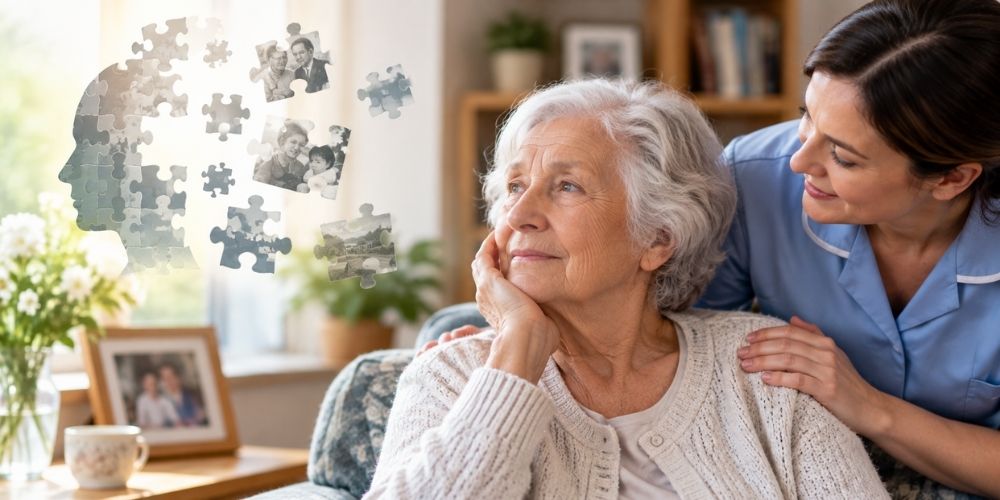
- Dementia and mild cognitive impairment — older adults with memory or thinking difficulties are at significantly higher risk of falls. Understanding the early signs of dementia and Alzheimer’s may help families identify concerns earlier and put appropriate support in place.
- Parkinson’s disease — affects movement, balance, and posture
- Incontinence — rushed movement to reach the bathroom in time is a very common cause of accidental falls
6. Foot Problems and Inappropriate Footwear
Pain from bunions, corns, or other foot conditions can affect how an older person walks. Poorly fitting shoes, backless slippers, or smooth-soled footwear dramatically increase the risk of slipping. This is a risk factor that is easy to overlook but very easy to address.
7. Environmental Hazards
The home environment contributes to a significant proportion of falls in old age. Common hazards include:
- Loose or wrinkled rugs and carpets
- Poor lighting, particularly on stairs and in hallways
- Clutter on floors or walkways
- Wet or slippery bathroom floors
- Lack of grab rails in the bathroom or on stairs
- Uneven outdoor surfaces
Falls Risk Summary Table
| Risk Factor | How It Contributes to Falls | What Can Help |
| Sarcopenia (muscle loss) | Weakness, difficulty standing and walking | Strength and resistance exercises |
| Balance and gait changes | Unsteadiness, postural hypotension | Balance training, tai chi, yoga |
| Vision decline | Missed hazards, poor depth perception | Regular eye tests, updated glasses |
| Medications | Dizziness, confusion, drowsiness | Medication review with GP or pharmacist |
| Chronic conditions (diabetes, dementia, Parkinson’s) | Nerve damage, cognitive impairment, poor coordination | Specialist care and monitoring |
| Foot pain and unsafe footwear | Altered gait, slipping | Proper footwear, podiatry referral |
| Home hazards | Trip and slip hazards | Home safety assessment and modifications |
| Poor sleep | Fatigue, reduced reaction time | Sleep management, avoiding sedatives where possible |
How to Prevent Falls in the Elderly: Practical Steps
Knowing the causes of falls in older adults is only useful if it leads to action. Here are evidence-based fall precautions for elderly people that families and carers can put in place. For families supporting an ageing relative at home, understanding the different types of elderly home care available can also play an important role in reducing fall risks.
Stay Physically Active
Regular physical activity is one of the most effective ways to reduce fall risk in elderly adults. Exercise strengthens muscles, improves joint flexibility, and supports better balance. Walking, gentle swimming, and climbing stairs all help maintain bone and muscle health. Try to aim for at least 150 minutes of moderate activity per week.
Focus on Balance and Strength Training
Specific exercises targeting balance and muscle strength offer some of the strongest evidence for elderly fall prevention strategies. Yoga, Pilates, and tai chi have all been shown to reduce falls in older adults. Resistance band exercises and light-weight training also help rebuild muscle lost through sarcopenia.
Fall-Proof the Home
A home safety assessment is one of the most practical steps in preventing falls in the elderly. Key changes include:
- Installing grab rails in the bathroom, by the toilet, and on staircases
- Removing loose rugs or securing them with non-slip backing
- Improving lighting throughout the home, especially at night
- Keeping floors clear of clutter and trailing cables
- Using a non-slip bath mat
- Ensuring the bedroom is easy to navigate at night
Review Medications Regularly
Ask the GP or pharmacist to review all medications, particularly if the older adult takes four or more different drugs. Reducing or changing medications that cause dizziness or confusion can make a meaningful difference to fall risk in the elderly.
Get Eyes and Ears Tested
Arrange regular eye examinations and encourage the use of prescribed glasses at all times. If a hearing aid has been prescribed, ensure it is worn and fits correctly.
Stand Up Slowly
Postural hypotension is a very common cause of dizziness in older adults — especially on waking or rising from a chair. Encourage a slow, staged approach to standing: sit at the edge of the chair for a moment before rising, and pause before walking.
Choose the Right Footwear
Shoes should fit well, have a low heel, and have rubber non-slip soles. Avoid backless shoes, smooth-soled slippers, or walking in socks on hard floors.
Ensure Good Sleep
Fatigue significantly impairs reaction time and balance. If an older person is sleeping poorly, this is worth discussing with their GP. Addressing sleep problems is an important but often forgotten fall precaution for elderly people.
Use Assistive Devices
If a cane, walking frame, or rollator has been recommended by a physiotherapist or GP, encourage its consistent use, particularly outdoors or on unfamiliar ground. The right device, correctly sized, can make a significant difference to confidence and stability.
Keep Bones Strong
Healthy bones will not prevent a fall, but they can prevent a fall from causing a fracture. Encourage adequate calcium and vitamin D intake through diet and supplementation where advised. Regular physical activity supports bone density. Avoiding smoking and limiting alcohol also help maintain bone health and reduce the risk of fractures.
What to Do If an Elderly Person Falls
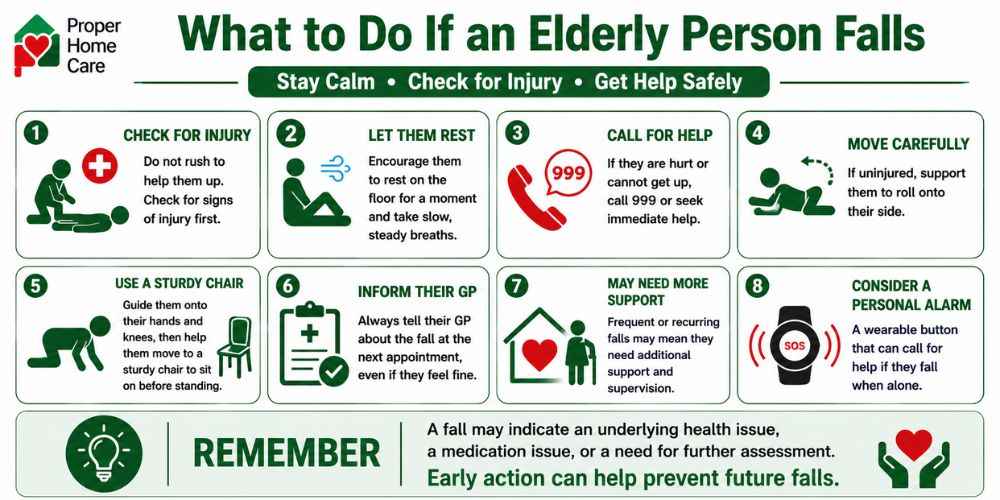
If someone in your care falls, it is important to stay calm and respond carefully.
- Do not rush to help them up immediately — check for signs of injury first
- Encourage them to rest on the floor for a moment and take slow, steady breaths
- If they are hurt or cannot get up, call 999 or seek immediate help — do not attempt to lift them without proper assistance
- If they appear uninjured, support them to roll onto their side, then onto their hands and knees, and help them move to a sturdy chair to sit on before standing
- Always tell their GP about the fall at the next appointment, even if they feel fine, as it may indicate an underlying health issue, a medication issue, or a need for further assessment. Frequent or recurring falls can be a sign that a loved one needs additional support and supervision throughout the day.
It is also worth considering a personal emergency response device — a wearable button that can call for help if the person falls when alone.
How Proper Home Care Supports Fall Prevention in Dudley
At Proper Home Care, fall prevention is woven into everything we do. Our trained carers understand the risk of falls in elderly individuals and provide support that is specifically designed to reduce that risk while preserving dignity and independence.
We support clients with:
- Personal care — safe assistance with washing, dressing, and mobility to reduce the risk of bathroom falls
- Medication reminders — ensuring medications are taken correctly and on time
- Companionship and check-in visits — so no one is left alone for long periods without support
- Meal preparation and nutrition — supporting the dietary needs that help maintain muscle strength
- Night care — overnight support for those at higher risk during the night hours
- Specialist care — tailored support for clients living with dementia, Parkinson’s, or other conditions that increase fall risk
Frequently Asked Questions
Why do elderly people fall more often?
Ageing can cause muscle weakness, poorer balance, slower reflexes, vision changes, and health conditions that increase the risk of falls.
What are the most common causes of falls in the elderly?
Common causes include muscle weakness, balance problems, medication side effects, poor vision, chronic health conditions, unsafe footwear, and home hazards.
Why does my elderly parent keep falling?
Repeated falls often indicate underlying issues such as mobility problems, medication side effects, health conditions, or balance difficulties that should be assessed by a healthcare professional.
Are falls in the elderly serious?
Yes. Falls can lead to fractures, head injuries, loss of independence, and hospitalisation, particularly in older adults with osteoporosis or other health conditions.
What should I do immediately after an elderly person falls?
Check for injuries, avoid moving them if they may be seriously hurt, and seek medical help if needed. Report the fall to their GP or healthcare provider.
Can falls in older adults be prevented?
Many falls can be prevented through exercise, home modifications, medication reviews, regular health checks, and appropriate support.
What type of care helps prevent falls in elderly people?
Home care services can help reduce fall risk by providing mobility support, medication reminders, assistance with daily activities, and supervision where needed.
Conclusion
Falls can have a serious impact on an older adult’s health, confidence, and independence, but many are preventable with the right approach. Understanding the common causes of falls in older adults, from muscle weakness and balance problems to medication side effects and home hazards, is the first step towards reducing risk. Simple measures such as regular exercise, home safety improvements, medication reviews, and routine health checks can make a significant difference.
By recognising risk factors early and seeking appropriate support when needed, families can help loved ones remain safe, active, and independent for longer in their own homes.