When the loved one starts to require assistance in their daily activities, it can be difficult to decide between hourly care and live-in care. Both ideas tend to keep the dignity, independence, and comfort in place, but the correct decision is to be made with regard to the individual’s needs, preferences, and way of living. This is one of the practical comparisons that helps the families make a wise decision.
What is live-in care?
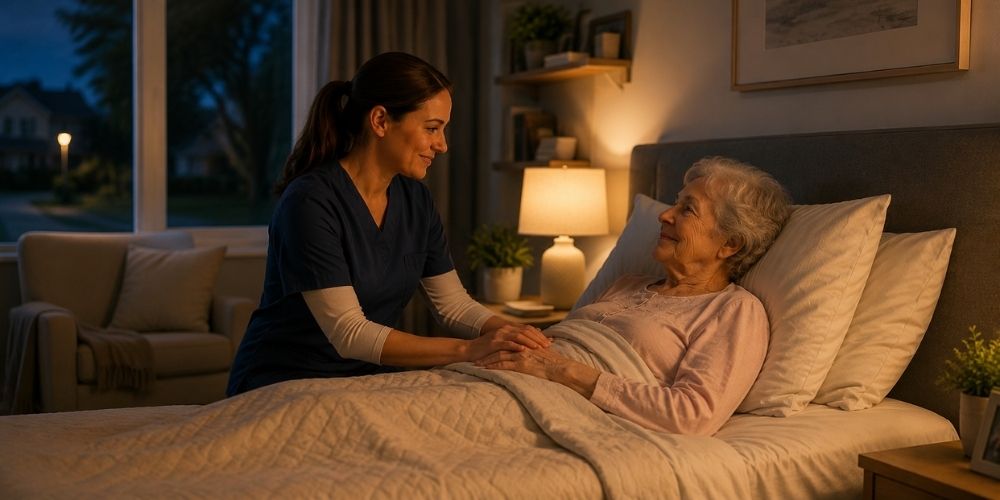
Live-in care implies that a professional carer spends the night in the residential house of the individual. It delivers round-the-clock support, companionship, and assurance, especially when the needs of the patients are complex, like dementia, limited mobility, or severe illness.
Under the live-in home care, the carer usually stays in the house and tends to the individual during the day and night so that the individual does not feel out of place. It is particularly useful to individuals who feel secure in their habits or have permanent medical care requirements and have to be observed all the time.
What is hourly home care?
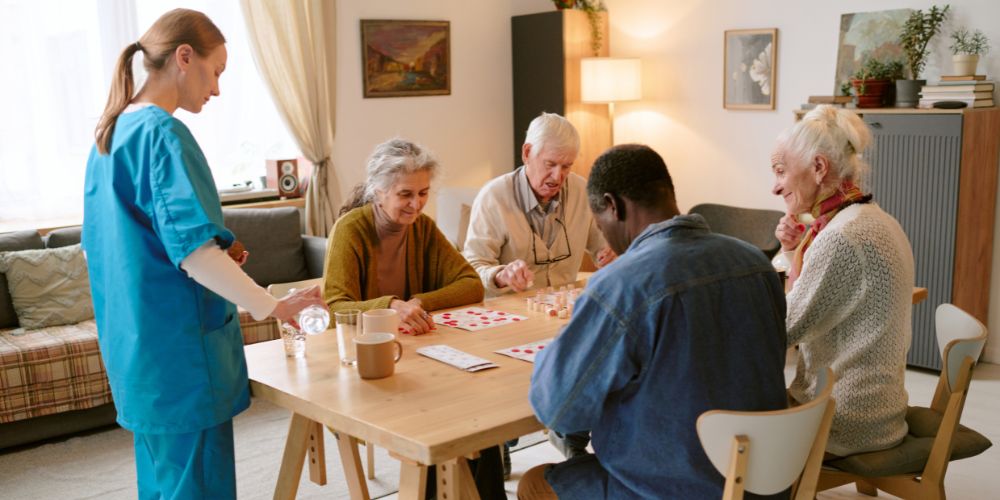
Hourly home care, also known as domiciliary care, entails a trained caregiver reporting to spend established durations of time, ranging between 30 minutes and a few hours per day, according to the schedule of the client and the care plan. It is versatile and it is suited to persons who have a good level of independence but require assistance with certain needs like personal care, feeding, or medication reminders.
The family members who play the role of primary carers can also get the benefit of this kind of home care, as they may get some respite and peace of mind knowing that their loved one is in professional care during such hours.
Key differences between live-in care and hourly home care
Live-in care has a number of important benefits:
- Continuity and Companionship: When one carer is committed, they will feel a connection and need understanding of what the individual prefers, which is always the same as with another carer.
- 24-Hour Assistance: Round-the-clock supplement gives security, especially to individuals who are likely to fall or become lost.
- Home Comfort: Live-in home care services enable individuals to remain at a certain location, and this can be very important to individuals.
The price of live-in home care may, however, be more than the price of hourly home care, and the availability of a person 24/7 requires a reasonable space to live in, and there needs to be a certain degree of privacy adaptation.
On the other hand, hourly home care is more flexible and cheaper, as you just pay for home care on an hourly basis. It assists them to stay independent and routine when the senior does not need much care and prefers to stay alone. Conversely, it might not be as continuous as having one caregiver, and the pauses during visits might be dangerous to individuals with more serious illnesses.
Costs and Budgeting Factors
Live-in home care services are normally more expensive since they allow 24-hour services, which may include accommodation and food for the caregiver. It may also be cheaper than residential care homes, especially for couples residing together.
The cost of hourly home care is calculated on the basis of the number of visits or hours they need each day or week. Budgets allow families to match schedules with budgets and, at the same time, provide necessary home care support at any time. It is prudent to explain to the providers about the transparent pricing that would ask them about the extra expense on weekends, nights, or public holidays, so that one can organise.
When to choose live-in care or hourly home care
When going through live-in care or hourly home care, consider:
- Mobility: Live-in home care services would be more useful in cases where the patient has limited mobility or is in danger of falls.
- Medical Requirements: These could be chronic or complicated drug regimens, which could involve a full-time carer.
- Dementia Care: Live-in home care may help the patient be less confused and anxious since it is familiar and always the company of someone is present.
- Temporary Recovery: Home Care can be provided on an hourly basis after surgery or an illness until the person can walk independently again.
Once these elements are evaluated, families would be able to suit the appropriate form of home care support to the realities of those persons on a daily basis.
Choosing the right care provider
It is important to choose the appropriate care provider. Families should look for:
- Registration and ratings by CQC (Care Quality Commission).
- DBS-vetted, trained carers who are knowledgeable about general needs (e.g., dementia, mobility, post-operative care, and recovery).
- Transparent pricing and availability of care plans.
- An adaptive management team that is providing frequent reviews and communications.
Important questions to ask a home care provider:
- “How are careers matched to clients?”
- “What happens if a carer is unwell or on leave?”
- “Can we adjust care hours as needs change?”
These queries will ascertain that the provider selected will provide quality, flexible, and caring home care support.
Why choose Proper Home Care Limited
Proper Home Care Limited is aware that each case of an individual is unique. The company provides hourly home care and live-in home care services, which are also subject to the individual desires, medical requirements, and family situations.
Proper Home Care Limited can provide you with comfort, safety, and dignity, whether or not you need 24/7 live-in care or hourly home care to support you in daily tasks. Their full-time carers are trained to offer caring home care support to the clients so that they can live with self-dependency in the very place that they call home.
At Proper Home Care Limited, family members get a sense of ease by being assured their loved ones will get the ideal measure of care, companionship, and respect with trusted live-in home care services and reliable hourly home care.