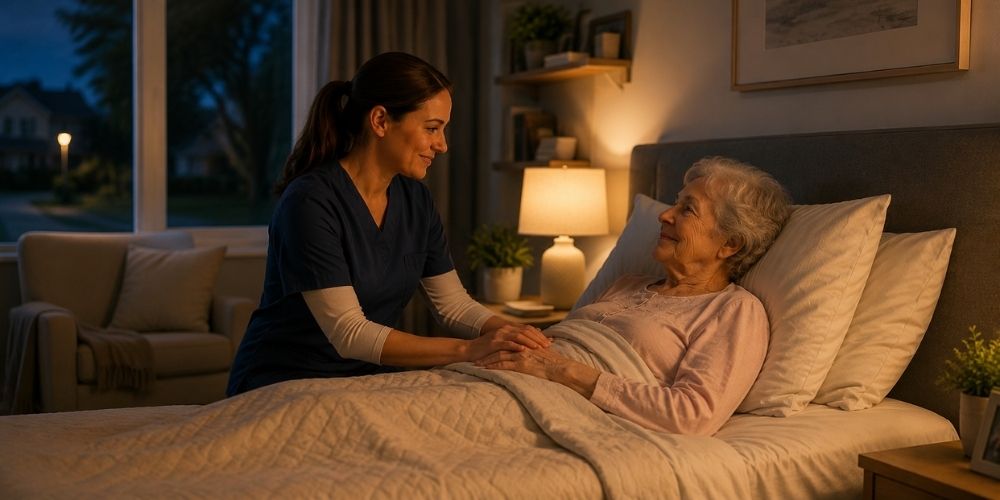
Caring for a loved one can be one of the most rewarding experiences, but it can also feel overwhelming, especially when health challenges become more serious. Families often worry about comfort, dignity, and making the right decisions during this sensitive time.
Palliative home care provides compassionate support that prioritises your loved one’s quality of life while guiding families through this journey with reassurance and confidence. With professional carers in place, your loved one can remain in familiar surroundings, receiving care that addresses both their physical and emotional needs.
Understanding Palliative Care at Home

At its core, palliative care at home focuses on comfort and quality of life, not cure. It helps individuals live as well as possible while managing symptoms, rather than only focusing on aggressive treatments.
Home-based palliative care can begin early in a serious illness, not just at the final stages, and supports:
- Pain and symptom management – easing discomfort without complex procedures
- Fatigue and breathlessness relief – helping your loved one stay comfortable
- Emotional and psychological well-being – providing reassurance and support for both the individual and the family
The goal is to preserve dignity, reduce discomfort, and make daily life more manageable — all within the safety of home.
Who Can Benefit From Palliative Care at Home?
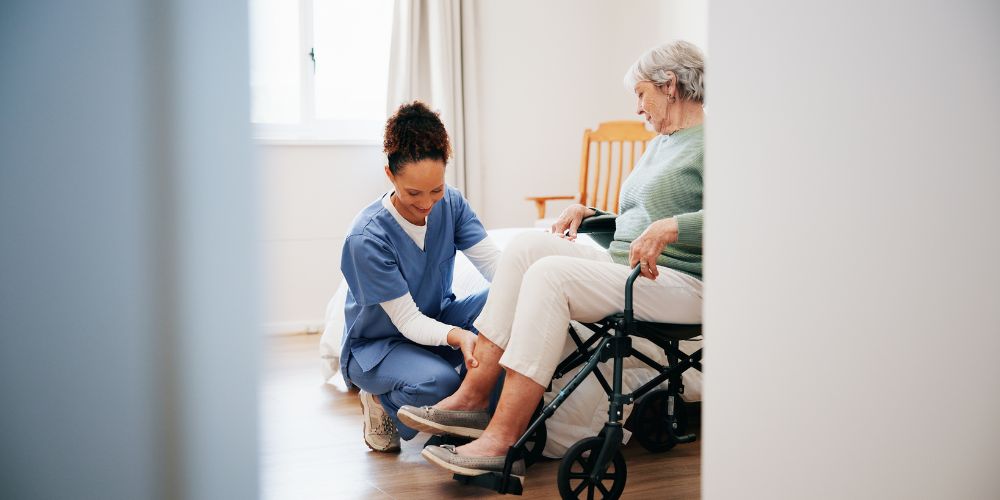
Palliative home care is suitable for a variety of conditions, including:
- Cancer care at home – Families receive support with symptom management, personal care, and emotional guidance
- Long-term illness care – Chronic conditions such as heart disease, COPD, or kidney failure can be managed with tailored home-based palliative care
- Elderly care with complex needs – Older adults gain reassurance and consistent support, helping them maintain independence and dignity
For example, Mr Thompson, an 82-year-old living with advanced heart disease, was able to continue enjoying his garden and hosting family visits, thanks to one-to-one palliative care at home.
Why Families Choose Palliative Home Care
Many families prefer palliative home care because it allows loved ones to stay in familiar surroundings, reducing anxiety and promoting comfort. It also provides emotional support at home, enabling relatives to be actively involved in care, maintain closeness, and ensure reassurance. With one-to-one care, dedicated carers provide personalised attention and respond promptly to any needs, giving families confidence that their loved one’s wishes are respected.
Key Services Offered in Palliative Home Care

Home palliative care can cover a wide range of support services, all described in everyday, understandable language:
- Comfort and symptom management – Helping relieve pain, discomfort, and stress without complicated medical terms.
- Personal care – Assistance with bathing, dressing, mobility, and daily routines.
- Emotional support – Providing companionship, reassurance, and guidance for both the individual and their family.
- Night care – Ensuring support is available around the clock if needed.
- Support for family members – Guidance, respite, and emotional reassurance for those caring at home.
These services are tailored to the individual, meaning care can adapt as needs change over time.
Palliative Care vs End-of-Life Care at Home
Many families are unsure about the difference between palliative care and end-of-life care:
- Palliative care – Focuses on comfort and quality of life at any stage of a serious illness. It can start early, alongside treatments to manage health conditions.
- End-of-life care – Typically refers to support in the final weeks or days of life, prioritising comfort and dignity above all else.
Understanding this difference helps families make informed decisions and reduces unnecessary stress.
How Proper Home Care Supports Families With Palliative Care

At Proper Home Care, we deliver tailored palliative home care that reflects each individual’s needs, preferences, and changing circumstances. Care plans remain flexible, allowing support to adjust over time, while our compassionate carers provide both physical assistance and emotional reassurance. With 24/7 availability, families can feel confident that professional support is always accessible, ensuring their loved one remains safe, comfortable, and treated with dignity at home.
Palliative Home Care Support Across the UK

Families across the UK can access home-based palliative care focused on comfort, dignity, and personalised support. Our carers assist with daily routines, personal care, and emotional guidance, helping loved ones remain settled in familiar surroundings. Wherever support is needed, Proper Home Care provides reliable and compassionate care that reassures families during a challenging time.
Also read: What Is In-Home Care? A Beginner’s Guide for Families
FAQs
1. When should home-based palliative care start?
It can begin at any stage of a serious illness, not just at the end of life. Early support often improves comfort and quality of life for both your loved one and your family.
2. Can palliative care at home be temporary?
Yes. Care can be adjusted to suit needs, whether for short periods to manage symptoms or during recovery.
3. Is palliative care suitable for non-cancer conditions?
Absolutely. Home-based palliative care supports a wide range of long-term or life-limiting illnesses.
4. Can family still be involved in palliative home care?
Yes. Families are central to the care plan, helping with emotional support, companionship, and daily routines. Our carers work alongside you to ensure involvement is possible and meaningful.