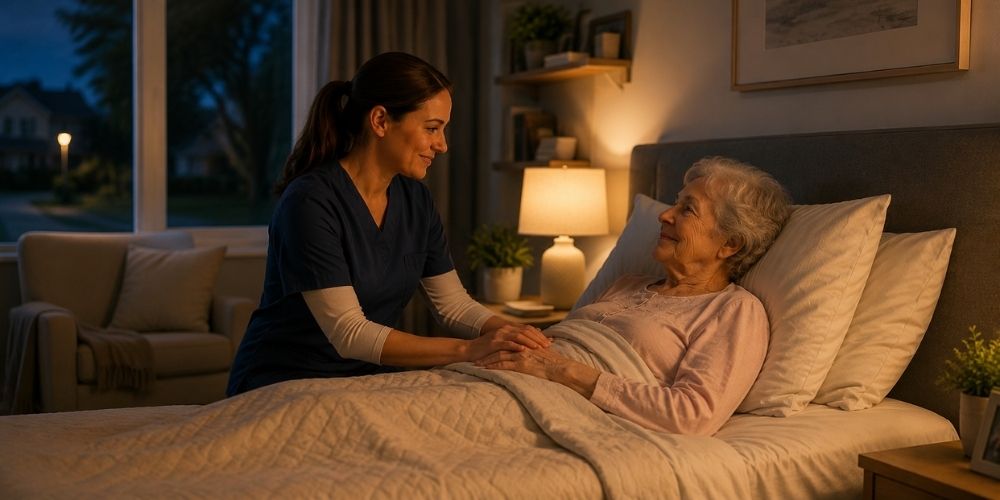
Many families begin to notice small but important changes in their loved ones over time—missed meals, difficulty with daily tasks, or increasing loneliness. These moments often lead to an important question: how can we provide the right support without taking away independence?
For many, elderly home care offers the right balance. It allows individuals to receive the support they need while continuing to live in a place that feels safe, familiar, and comfortable.
Choosing home care for the elderly in their own home ensures that care is built around the individual—not the other way around. This guide will help you understand how home care works, what services are available, and how to make the best decision for your family.
What Is Elderly Home Care?
Elderly home care refers to professional support provided to older adults in their own homes. Instead of moving into a residential care setting, individuals receive assistance tailored to their needs while remaining in familiar surroundings.
This type of in-home care for elderly individuals can include help with daily routines, personal care, household tasks, and companionship. The aim is to support independence while ensuring safety, comfort, and overall well-being.
Key Signs Your Loved One May Need Elderly Home Care

It is not always easy to recognise when extra support is required, but some common signs include:
- Difficulty managing daily tasks
- Reduced mobility or frequent falls
- Memory issues or confusion
- Changes in personal hygiene or eating habits
- Feelings of loneliness or isolation
If these signs become noticeable, it may be time to consider additional support. Recognising these early can help prevent further challenges and ensure your loved one remains safe and comfortable.
Understanding Your Loved One’s Care Needs
Once you begin to notice these signs, the next step is to understand what level of care is required. Every individual has unique needs, which is why personalised elderly care is essential.
Some individuals may only need occasional help with tasks such as cooking, cleaning, or shopping, while others may require more regular assistance with mobility, personal care, or medication. In many cases, emotional support and companionship are just as important as physical help.
Taking the time to assess both physical and emotional needs—along with daily routines and preferences—helps create a care plan that genuinely supports comfort, independence, and overall quality of life.
Types of Elderly Home Care Services
There are different types of home elderly care services available, depending on the level of support required. These services can be tailored to suit individual needs and routines:
- Personal Care: Support with bathing, dressing, grooming, toileting, and mobility, helping individuals maintain comfort and dignity.
- Companionship Care: Emotional support, conversation, and social interaction to reduce loneliness and promote mental well-being.
- Live-In Care: A dedicated carer lives in the home to provide round-the-clock assistance, ideal for those who need continuous support.
- Night Care: Support during night-time hours, offering reassurance and assistance with sleep disturbances or mobility needs.
- Respite Care: Temporary care that allows family carers to take a break while ensuring continuity of support.
- Specialist Care: Tailored care for conditions such as dementia, Parkinson’s, or recovery after illness or surgery.
- Palliative Care: Compassionate end-of-life care focused on comfort, dignity, and emotional support.
- Community Support: Help with attending appointments, social outings, and staying connected with the community.
Each of these services is designed to help individuals remain safe, supported, and comfortable while continuing their daily routines at home.
Top Benefits of Choosing Elderly Home Care Services

1. Familiar and Comfortable Environment
Receiving care at home allows older adults to remain in a place they know and feel safe in. This familiarity reduces stress and confusion, particularly for those with memory-related conditions.
2. Personalised Elderly Care
Care is tailored to individual needs, ensuring the right level of support at all times based on health, routine, and preferences.
3. Independence and Dignity
With in-home care for elderly individuals, support is provided without disrupting daily life, helping maintain independence and dignity.
4. Companionship and Emotional Support
Carers provide meaningful companionship, helping to reduce loneliness and support emotional well-being through regular interaction.
5. Flexible and Cost-Effective Care
Home elderly care services can be arranged based on specific needs, making them a flexible and often more cost-effective alternative to residential care.
6. Peace of Mind for Families
Families gain reassurance knowing their loved one is safe, supported, and not alone—even when they cannot be there themselves.
7. Access to Specialist Support
As care needs evolve, services can be adapted to include specialist support, ensuring comfort and continuity at every stage.
Choosing the Right Care for Your Loved One
Selecting the right care approach requires careful thought. It is important to consider current needs, future changes, and personal preferences.
Look for care that is flexible, reliable, and tailored to the individual. Open communication between families and care providers plays a key role in creating a supportive and effective care environment.
Taking a step-by-step approach can make the process feel more manageable and help ensure the best outcome for everyone involved.
Supporting Families Through the Care Journey

Caring for a loved one can be rewarding, but it can also be physically and emotionally demanding. Professional home care for the elderly in their own home helps ease this responsibility.
By sharing caregiving duties, families can focus more on spending meaningful time together rather than managing every aspect of care. This balance supports the well-being of both the individual and their family.
Conclusion: Personalised Care You Can Trust
Elderly home care provides a compassionate and practical solution for families seeking the right support for their loved ones. It allows individuals to remain in familiar surroundings while receiving the care they need to live safely and comfortably.
At Proper Home Care Limited, the focus is on delivering personalised elderly care that respects independence, dignity, and individual needs. From daily assistance to more comprehensive in-home care for elderly individuals, their services are designed to provide reliable support and peace of mind for families at every stage of the care journey.
Frequently Asked Questions
What is elderly home care?
Elderly home care is professional support provided to older adults in their own homes, helping them manage daily tasks while maintaining independence.
Is home care better than a care home?
It depends on individual needs. Home care offers independence and familiarity, while care homes provide structured, full-time support.
How much does in-home care cost in the UK?
Costs vary depending on the level of care required. Hourly care is generally more flexible, while live-in care may cost a similar amount to residential care but offers one-to-one support.
When should I consider home care?
When daily tasks become difficult, mobility decreases, or emotional well-being is affected, it may be time to consider home care support.