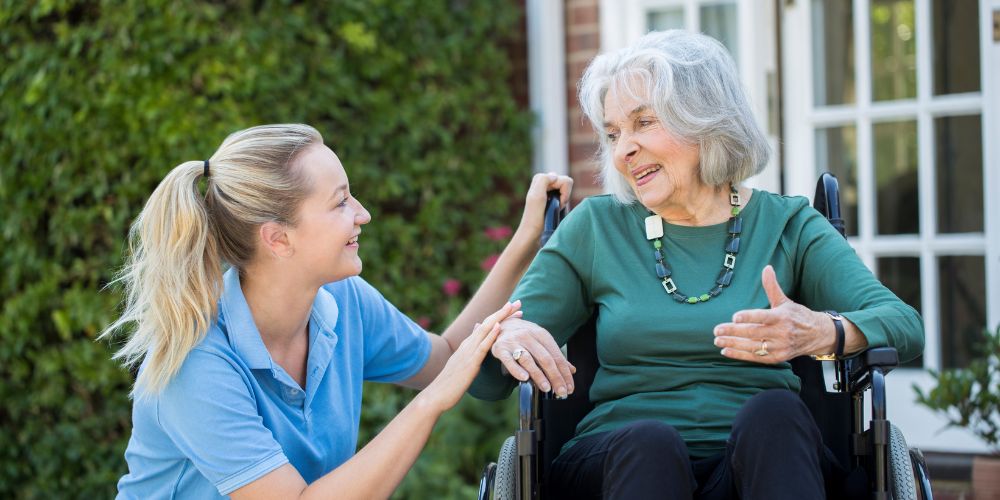
Coming home after hospital discharge can be a major transition for older adults and their families. Home care after hospital discharge helps seniors recover safely at home by supporting essential needs such as medication management, mobility, nutrition, personal care and daily activities. The right care and support can help older adults regain confidence, maintain independence and reduce the risk of complications or returning to hospital.
Although being discharged from hospital usually means a person is medically stable, recovery often continues at home. Many seniors may experience tiredness, weakness, reduced mobility or difficulty managing everyday routines after an illness, surgery or treatment.
The first few days and weeks after returning home are particularly important. Simple tasks such as preparing meals, getting dressed, moving around safely and remembering medication schedules can become challenging during recovery. With proper planning, family support and professional home care when needed, older adults can recover more comfortably in familiar surroundings.
This guide explains the essential home care steps families should consider after hospital discharge, including preparing a safe home environment, supporting mobility, managing medication, maintaining nutrition and recognising when additional care support may be beneficial.
What Happens After an Elderly Person Is Discharged From Hospital?
Being discharged from hospital means an older person is medically well enough to continue their recovery at home, but they may still need additional support with everyday activities. Depending on their condition, recovery may involve managing new medication, attending follow-up appointments, rebuilding strength through gentle activity and adapting to temporary or ongoing care needs.
Before returning home, it’s important to understand any discharge instructions, including medication changes, rehabilitation plans and recommended follow-up care. Some older adults recover independently, while others may benefit from support from family members or professional home care services to help them recover safely and confidently in familiar surroundings.
Step 1: Understand Why the First Few Weeks Matter

The first few weeks after hospital discharge are often the most important stage of recovery for older adults. Although your loved one may be medically fit to return home, they may still experience tiredness, reduced mobility, discomfort or difficulty managing everyday tasks as they regain their strength and confidence.
Simple activities such as getting dressed, preparing meals, climbing the stairs or remembering to take medication can become more challenging than expected. Without the right support, these difficulties can slow recovery and increase the risk of falls, medication errors, poor nutrition or an unnecessary return to hospital.
Before your loved one comes home, take time to understand their discharge plan. This should include any medication changes, follow-up appointments, rehabilitation exercises and advice on the support they may need during recovery. Having a clear plan helps families feel more prepared and ensures older adults receive the right care from the very beginning.
The NHS also recommends discussing discharge arrangements before leaving hospital so that any ongoing care, equipment or support services can be organised in advance. Families can find further guidance in the NHS guide on Planning to Leave Hospital.
During the first few weeks at home, older adults may be more vulnerable to:
- Falls and injuries
- Missed or incorrect medication
- Poor nutrition and dehydration
- Reduced mobility and slower recovery
- Increased stress, anxiety or loss of confidence
- Hospital readmission due to avoidable complications
Taking a proactive approach during this early stage of recovery can make a significant difference. With the right planning, practical support and, where needed, professional home care, older adults are more likely to recover safely, regain their independence and return to their normal routine with confidence.
Step 2: Prepare a Safe Home Environment

Creating a safe and practical home environment is one of the most effective ways to support recovery.
If possible, prepare the house before your loved one is discharged. Small adjustments can significantly improve both safety and comfort.
Reduce Trip Hazards
Falls remain one of the biggest risks for older adults recovering at home. Understanding the common causes of falls in older adults and how to prevent them can help families create a safer environment.
Take time to:
- Remove loose rugs and trailing electrical cables.
- Clear clutter from hallways and walkways.
- Ensure stairs are well lit.
- Secure uneven flooring.
- Keep frequently used items within easy reach.
Making these simple changes can reduce the likelihood of accidents while your loved one regains their strength.
Make Everyday Living Easier
Recovery often feels less overwhelming when everyday tasks require less effort.
Consider:
- Placing commonly used items at waist height.
- Setting up a temporary bedroom downstairs if stairs are difficult.
- Using a stable chair with supportive armrests.
- Keeping essential items, such as medication, water and a telephone, close by.
These practical adjustments help conserve energy and make daily routines more manageable.
Improve Bathroom Safety
Bathrooms are a common location for slips and falls.
Simple safety measures include:
- Non-slip bath and shower mats.
- Grab rails near the toilet or shower.
- A shower chair if standing becomes difficult.
- Good lighting, particularly during the night.
A safer bathroom gives older adults greater confidence while reducing the risk of injury.
Step 3: Create a Personalised Recovery Plan
No two recoveries are the same.
Someone returning home after a hip replacement will have very different needs from someone recovering from pneumonia, a stroke or a fall.
Creating a personalised recovery plan helps ensure nothing is overlooked.
Include:
- Medication schedules
- Follow-up appointments
- Daily exercise or rehabilitation routines
- Meal planning
- Personal care requirements
- Emergency contact numbers
- Family responsibilities and visiting arrangements
Keeping everything organised in one place makes it easier for everyone involved in your loved one’s care.
Step 4: Manage Medication Safely

Medication often changes during a hospital stay. New prescriptions may be introduced, dosages adjusted or existing medicines stopped altogether.
Taking medication correctly is essential for a safe recovery.
To stay organised:
- Follow the prescribed instructions carefully.
- Store medicines safely and clearly labelled.
- Use a pill organiser if appropriate.
- Set reminders for medication times.
- Keep an up-to-date list of all medicines.
If your loved one experiences unexpected side effects or has concerns about their medication, seek advice from a healthcare professional rather than stopping treatment without guidance.
Step 5: Encourage Safe Mobility and Exercise

While rest is important, staying active also plays a key role in recovery.
Long periods of inactivity can lead to muscle weakness, stiffness and reduced balance, making everyday activities more difficult.
Encourage gentle movement throughout the day, provided it is safe to do so.
This may include:
- Short walks around the home.
- Light stretching exercises.
- Following recommended physiotherapy exercises.
- Sitting out of bed for meals.
- Gradually increasing activity levels as confidence improves.
Recovery should never feel rushed. Progress may be gradual, and that’s perfectly normal.
The aim is to rebuild strength safely while reducing the risk of falls and maintaining independence.
Step 6: Support Nutrition and Hydration
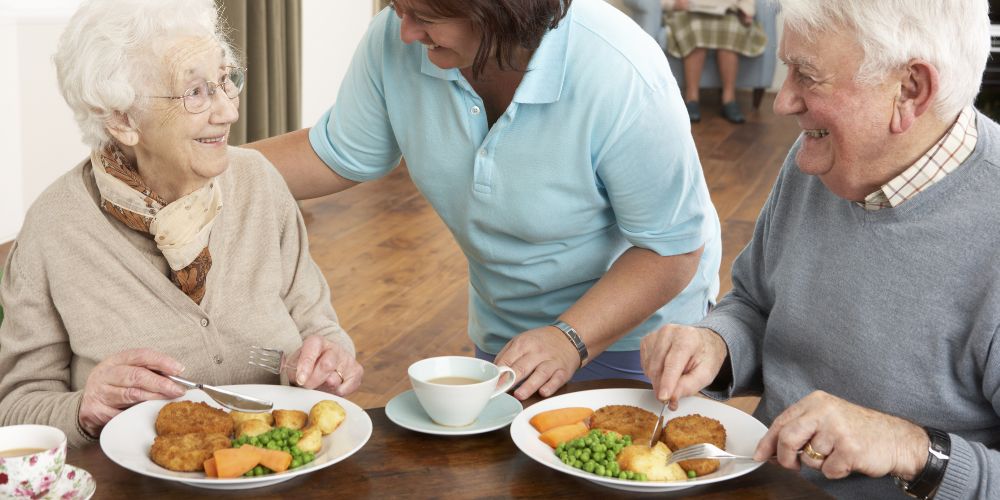
The body needs the right nutrients to repair tissues, maintain muscle strength and support the immune system.
Unfortunately, many older adults experience a reduced appetite after a hospital stay, making good nutrition even more important.
Focus on providing:
- Protein-rich foods such as eggs, fish, lean meat, yoghurt and beans.
- Plenty of fresh fruit and vegetables.
- Wholegrain foods for sustained energy.
- Healthy snacks between meals if appetite is poor.
- Regular fluids throughout the day to prevent dehydration.
If cooking becomes difficult, consider preparing meals in advance or arranging additional support with meal preparation.
Eating well isn’t just about recovery—it also helps maintain energy levels, supports mobility and contributes to overall wellbeing.
Step 7: Help With Personal Care Needs
Recovering from illness or surgery can make routine activities feel surprisingly exhausting.
Tasks such as bathing, dressing, shaving or washing hair may become difficult, particularly during the first few weeks at home.
Where appropriate, offering gentle assistance can help older adults maintain their comfort, dignity and confidence without taking away their independence.
Support may include:
- Assistance with bathing or showering.
- Help getting dressed.
- Grooming and oral hygiene.
- Toileting support if required.
- Changing bed linen and maintaining a clean living environment.
The goal is not to do everything for your loved one, but to provide the right level of support while encouraging them to remain as independent as possible.
Step 8: Monitor Recovery and Recognise Warning Signs
Every recovery journey is different, and it’s normal for progress to take time. While many older adults gradually regain their strength, it’s important to keep an eye on any changes that could indicate their condition is worsening.
Pay attention to how your loved one is feeling each day. Are they becoming more mobile? Are they eating and drinking well? Do they seem brighter and more comfortable than the day before?
If you notice any of the following symptoms, seek medical advice promptly:
- A high temperature or signs of infection
- Difficulty breathing or persistent chest pain
- Increasing confusion or unusual drowsiness
- Severe or worsening pain
- Swelling, redness or discharge around a wound
- Difficulty taking medication or eating and drinking
- A fall or sudden loss of mobility
Acting early can help prevent minor concerns from becoming more serious and may reduce the likelihood of another hospital admission.
Step 9: Support Emotional Wellbeing After Hospital Discharge
A hospital stay can affect more than just physical health. Many older adults experience a loss of confidence after returning home, especially if they’ve become less independent or are worried about falling again.
Some may also feel lonely, anxious or frustrated while adjusting to a slower pace of life.
Family members can play an important role by offering reassurance and encouraging regular social interaction.
Simple ways to support emotional wellbeing include:
- Spending quality time together.
- Encouraging conversations with friends and relatives.
- Maintaining familiar daily routines.
- Enjoying hobbies or activities they can safely manage.
- Spending time outdoors when appropriate.
Emotional wellbeing is closely linked to physical recovery. Feeling supported and connected can boost confidence and encourage a more positive outlook during rehabilitation.
Step 10: Arrange Professional Home Care Support When Needed

While family members often provide invaluable care, balancing work, personal commitments and caring responsibilities can become overwhelming.
If your loved one needs regular assistance with everyday tasks, professional home care can provide valuable support while allowing them to remain in the comfort of their own home.
Depending on their needs, a home care service can help with:
- Personal care and hygiene
- Meal preparation
- Medication reminders
- Mobility support
- Light housekeeping
- Companionship
- Shopping and errands
- Overnight or live-in care
Having the right support in place not only benefits the person receiving care but also gives family members greater peace of mind.
Choosing the Right Home Care Provider
Selecting a home care provider is an important decision. Every individual has unique needs, so it’s worth taking the time to find a service that offers compassionate, reliable and person-centred care. At Proper Home Care, support is tailored around each individual’s preferences, routines and goals, helping older adults receive care that promotes independence, dignity and comfort at home.
When comparing providers, consider:
- Are care plans tailored to each individual?
- Are carers trained and experienced?
- Is care flexible as needs change?
- Is there clear communication with families?
- Does the provider have positive reviews and a strong local reputation?
A good home care provider will take the time to understand your loved one’s preferences, routines and goals, ensuring they receive support that promotes both independence and dignity.
Helping Seniors Regain Independence at Home
Recovery isn’t simply about getting stronger—it’s about helping older adults feel confident enough to return to the activities they enjoy.
Encourage independence wherever possible by allowing your loved one to do what they can safely manage, while offering support only when it’s needed.
This might include:
- Preparing simple meals.
- Watering plants or tending to the garden.
- Taking short daily walks.
- Completing light household tasks.
- Staying connected with friends and family.
Celebrating small milestones can make recovery feel more achievable and motivate continued progress.
Frequently Asked Questions
What happens when elderly people are discharged from hospital?
Before leaving hospital, an older person will receive a discharge plan outlining any medication, follow-up appointments and ongoing care they may need. If extra support is required, they may also be referred to community services or advised to arrange home care.
How do I arrange home care for an elderly person in the UK?
You can contact a regulated home care provider directly or request a care needs assessment through your local authority. Speaking to your loved one’s healthcare team before discharge can also help you understand what level of support may be beneficial.
What follow-up care is needed after discharge?
Follow-up care varies depending on the individual’s condition but may include medication reviews, rehabilitation, physiotherapy or appointments with healthcare professionals. Attending these appointments supports recovery and helps identify any concerns early.
How much does 24-hour care at home cost in the UK?
The cost of 24-hour home care varies depending on where you live and the level of support required. Live-in care generally starts from around £1,200 per week, with costs increasing for more complex care needs.
Final Thoughts
Returning home after a hospital stay marks the beginning of a new stage in recovery. With thoughtful planning, practical support and a safe home environment, older adults can regain their confidence and continue recovering in familiar surroundings.
From preparing the home and managing medication to supporting mobility and emotional wellbeing, every step plays a role in promoting a safer and more comfortable recovery.
If your loved one needs additional support, professional home care can provide personalised assistance that helps them remain independent while giving families reassurance that someone is there when it matters most.
Recovery takes time, but with the right care and encouragement, older adults can return to everyday life with greater confidence, comfort and peace of mind.